
Insights & news
Field notes, cases and news.
Stories and patterns from our projects, client cases, market updates and announcements. Sharp observations from the shop floor, with the thought-leadership left at the door.
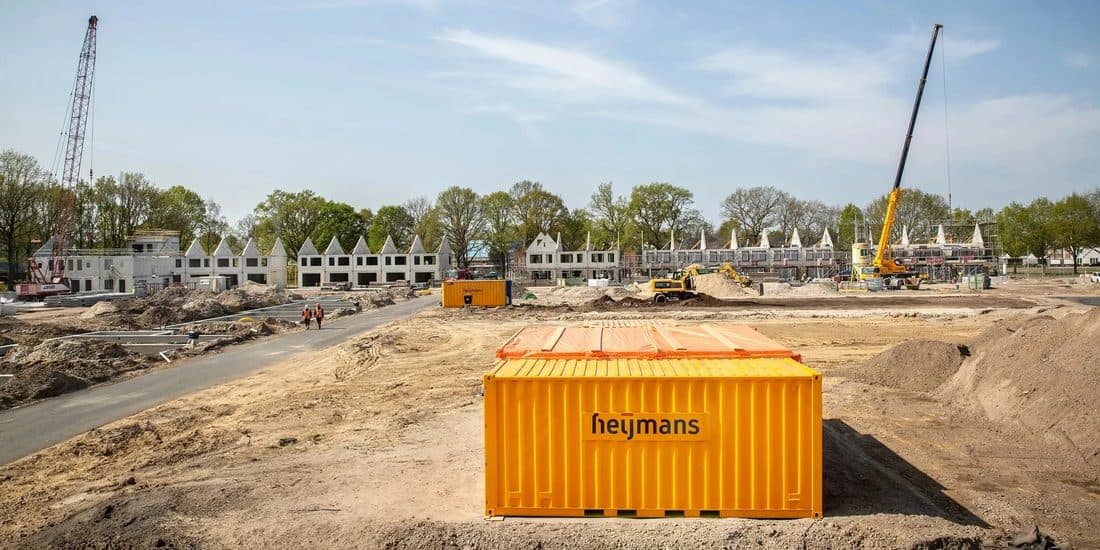
Construction estimating: how margin leaks away before the quote goes out
In construction, margin is lost at the estimating stage, not during execution. Here is how to find the leaks before the quote goes out the door.

Automating procurement in manufacturing: three breaking points
Almost every manufacturing company has an ERP, but the procurement process stalls at three specific points. Here are the breaking points and how to close them.

Bonsai and Universal Africa Lines start working together
Universal Africa Lines and Bonsai are teaming up to build a calculation module for pricing voyages. A short announcement of the partnership.

AI construction management: three bottlenecks holding it back
AI construction management offers real opportunities for estimation, planning and change order management, but falls apart on fragmented project data. These are the three recognisable bottlenecks.

Custom AI development company: when do you need one?
A custom AI development company is worth it when your data, process or integration is too specific for a standard solution. Four decision criteria that make the distinction.

R flow online: what it is and when it breaks down
R flow online is a logistics platform focused on order flows and transport management. Useful for standard processes, but companies with specific logistical requirements regularly run into its limits.

Inland waterway transport management software: three bottlenecks
Generic TMS and ERP packages are built for the road, not for the water. These are the three areas where inland shipping companies consistently run into trouble.

Automating charter planning in inland waterway transport: three lessons learned
Automating charter planning in inland waterway transport sounds straightforward, but in practice three obstacles emerge that you need to solve first. These are the lessons learned.
Automating last-mile route planning: three lessons learned
Want to automate last-mile route planning? The obstacle is not the algorithm — it is time windows, driver knowledge, and integrations with your TMS or WMS. Three lessons from the field.

EU AI Act verplichtingen industrie en logistiek
De EU AI Act legt per 2026 concrete verplichtingen op aan maakbedrijven en logistieke dienstverleners die AI-systemen inzetten. Dit zijn de risicoklassen die voor jou relevant zijn en wat je nu al moet regelen.

Matching a purchase order to a supplier confirmation: three lessons learned
Automatically matching purchase orders to supplier confirmations sounds straightforward, but practice shows the problem runs deeper than extraction alone. Three lessons learned from construction practice.

Leveranciersportaal bouwen maakindustrie: drie leermomenten
Wat kom je tegen als je een leveranciersportaal bouwt voor een maakbedrijf? Drie eerlijke leermomenten uit de praktijk, plus wanneer het de investering waard is.

AI invoice processing: automatic extraction and matching
AI invoice processing automates the extraction, matching, and preparation of incoming invoices. The accountant approves; the groundwork is already done.

AI solutions for wholesalers: four bottlenecks
Four operational bottlenecks in B2B wholesale and the AI solution that concretely addresses each one. Including a decision rule: tackle this bottleneck first.

Automating the pick process in wholesale: three lessons learned
Automation of the pick process can go wrong more easily than you might expect. Three concrete decision points that determine whether time savings actually show up in lead times.

Building a customer portal for wholesale: three choices that make or break it
A customer portal sounds like a straightforward addition, but three architecture decisions determine whether it genuinely removes friction or simply adds new friction.

Returns logistics software for wholesale: three bottlenecks
Return flows in wholesale systematically get stuck in software built for outbound logistics. Three concrete bottlenecks and when custom development is the only viable route.

Voorraadoptimalisatie software maakindustrie: drie knelpunten
Maakbedrijven beheren voorraden via ERP-modules en spreadsheets en zitten structureel te hoog of te laag. Drie herkenbare oorzaken en wanneer software het verschil maakt.

Digital twin of business processes: what it really is
A digital twin of your business processes is not a visualisation, but a working copy of your operation. This article explains what that means in practice, how it differs from BI, and when it is worth the investment.

Linking production planning to procurement: three points where it breaks down
The connection between production planning and procurement is logical on paper, but in practice there are three fixed points where the system falls short. A field note from the manufacturing industry.

Serial number registration in custom production software: three lessons learned
Serial number registration in custom production software only works well when the serial number is a first-class object in the data model from the very start. Three lessons from practice.

Quality control software in manufacturing: three bottlenecks
Quality data scattered across production islands, Excel, and manual lists: rejects surface too late and course-correcting by then is already too costly. Three bottlenecks and when software breaks this pattern.

NIS2 directive for industry and logistics: what you need to arrange now
As of 15 August 2026, the Cyberbeveiligingswet is enforceable law, the Dutch implementation of the NIS2 directive. For manufacturing and logistics companies, this affects not just the IT department, but the entire operation.

Building custom planning software: three lessons learned
When are domain-specific constraints so complex that a commercial planning engine causes more problems than it solves? Three fundamental choices that come up whenever you want to put planning logic into real software.
Choosing an AI implementation partner in the Netherlands: the real difference
The market for AI implementation partners in the Netherlands is crowded, but the providers are fundamentally different. These are the questions that separate the serious players from the rest.

Custom AI for business processes: when do you choose what?
Custom AI or an off-the-shelf package: both sides have a stake in their own answer. This is a straightforward overview of the real decision criteria.

Scalability in custom software architecture: three choices that pay you back
Custom software fits perfectly on day one, but stalls when the business grows. Three architectural choices determine whether your system scales with you or holds you back.

AI platform transport Netherlands: what works and when
Looking for an AI platform for transport in the Netherlands? There are three categories, each with a different fit. This is the honest overview, including when a generic platform runs into Dutch-specific requirements.

Energy monitoring software for manufacturing companies: what does it deliver?
Energy costs put pressure on margins, yet most manufacturing companies lack the connection between machine data and energy consumption. Energy monitoring software closes that gap, provided you know what you need.

Haven software: maatwerk of standaardpakket?
In de haven botsen complexe operaties met de beperkingen van generieke software. Dit is wanneer een standaardpakket tekortschiet en maatwerk de enige logische stap is.
Connecting real-time production data to ERP: three pitfalls
Production data exists, but lives in a silo. Timestamps are off, units differ, and ERP orders do not align with what the machine reports. Three concrete lessons from the field.
Software operating partner: what it really means
A software operating partner is not an agency that delivers and walks away. They build, work alongside your operation, and are accountable for the result. What that looks like in practice, you can read here.

CSRD reporting in industry: what operational data you need to capture now
The CSRD reporting obligation turns operational data such as energy consumption, emissions per production step, and transport kilometres into mandatory business information. Spreadsheets and standalone systems cannot keep up with that.

Data cleaning in logistics AI: the real bottleneck
AI projects in logistics rarely fail because of the algorithm. They fail because of duplicate customer records, missing weights, and rate codes that have been wrong for two years.

Automating Inventory Management in Wholesale
The buyer who spends three hours every Monday on inventory figures is the starting point. Automation solves that, provided you know where the limits are.
WMS software for your warehouse: custom build or off-the-shelf?
An off-the-shelf WMS rarely fits a warehouse with its own processes. When does custom development pay off, and when is a standard package the smarter choice?

Building integrations without middleware: what you learn
Direct API connections are faster and cheaper than a middleware platform, until error handling, version management, and monitoring catch up with you. These are the three pitfalls and when you can avoid them.
AI in logistics: buy or build — four decision criteria
Buy or build is not an ideological choice. It depends on how unique your process is, how deep the integration needs to go, and what it costs you over five years.

Data model integrations in manufacturing: when things grind to a halt
A poorly considered data model does not just break internal screens; it causes integrations with ERP, MES, and customer portals to fail repeatedly. A recognizable pattern, a concrete choice.

Custom production software data model: when the system blocks your growth
Production software works fine, until orders become more complex and the underlying data model no longer reflects reality. Recognize the pattern and know when to redesign the data model.
Open-source building blocks vs. commercial suite: what does practice teach us?
Open-source sounds like freedom. A commercial suite sounds like certainty. In practice, both outcomes regularly flip: this is what you encounter when you actually build it.

Building a custom TMS: who fits and when
Having a custom TMS built requires the right partner, realistic expectations, and a clear decision framework. Here is what you need to know before you sign.

Bot detection and mitigation software: when do you build it in?
Bot traffic is not an abstract IT threat. In logistics, trade, and industry it translates into scraped rates, polluted order input, and overloaded APIs. This is when bot detection and mitigation software really matters.

Getting your processes in order before you automate: when it matters and when it does not
Automating a messy process: a mistake or actually the right move? The answer depends on where the mess comes from.

Energy costs and production: where is the margin gain for manufacturers?
High energy costs eat into margins in manufacturing, but most companies only make adjustments once the bill has already arrived. Here is how to do it differently.

Offshore software development or a local Dutch team?
Offshore development looks cheaper on paper. But for domain-specific operational software, the bill arrives later, when the system does not fit your operation.

Bonvex AI transport software: what it is and when to choose custom development
Bonvex AI is a generic platform for transport processes. But when does a standard tool fit, and when do you need something built specifically around your operation?

Low-code or custom software: when do you choose which?
Low-code platforms promise speed, custom software promises control. Both promises hold true, but only in specific situations. Here is the distinction that matters.

AI implementation partners for energy companies: who does what?
Energy companies and grid operators face AI challenges that generic implementors simply do not understand. This article distinguishes three types of AI partners and provides honest criteria for when you need each one.

AI layer around ERP or rebuild: when do you choose which?
Should you build an AI layer around your existing ERP or rebuild the system entirely? The answer depends on five concrete criteria, and the most common mistake has nothing to do with the choice itself.

Road transport under pressure: levies, shortage and capacity
Road transport is becoming more expensive, leaner and more vulnerable. Levies, a persistent driver shortage and tight capacity are piling up. What do you do operationally?

Open-source of commerciële suite: wat kies je?
Open-source componenten zijn gratis in aanschaf, maar nooit gratis in gebruik. Een eerlijk overzicht van de trade-offs tussen open-source bouwstenen en commerciële suites voor bedrijfskritische systemen.
Fresh chain software in food and AGF: where does it break down?
In the fresh chain, every day counts. Yet many AGF businesses run on systems that cannot keep up with the speed and flexibility the trade demands. Here is why that is a solvable problem.

Implementing AI in logistics processes: which partners are available?
Interest in AI for logistics is high, but the step from orientation to implementation proves difficult. This overview helps you build a shortlist and ask the right questions.
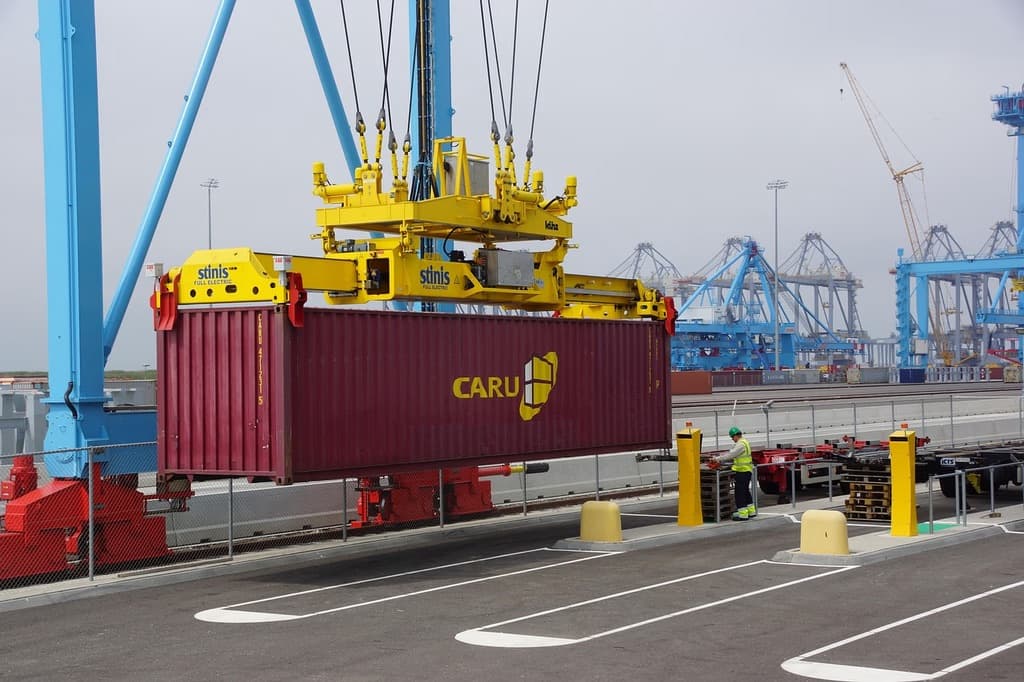
Vanaf juli 2027 moet de overheid je digitale vrachtbrief accepteren
De eFTI-verordening legt geen verplichting op je operatie, maar op de overheid. Dat maakt hem makkelijk te negeren. Toch bepaalt hij wat je systeem over twee jaar moet kunnen.
Douaneprocessen automatiseren met AI: wat kan er nu echt?
De vraag is bijna nooit of AI een aangifte kan indienen. De vraag is wie de dertig velden invult die aan die aangifte voorafgaan. Daar zit het werk, en daar zit de winst.
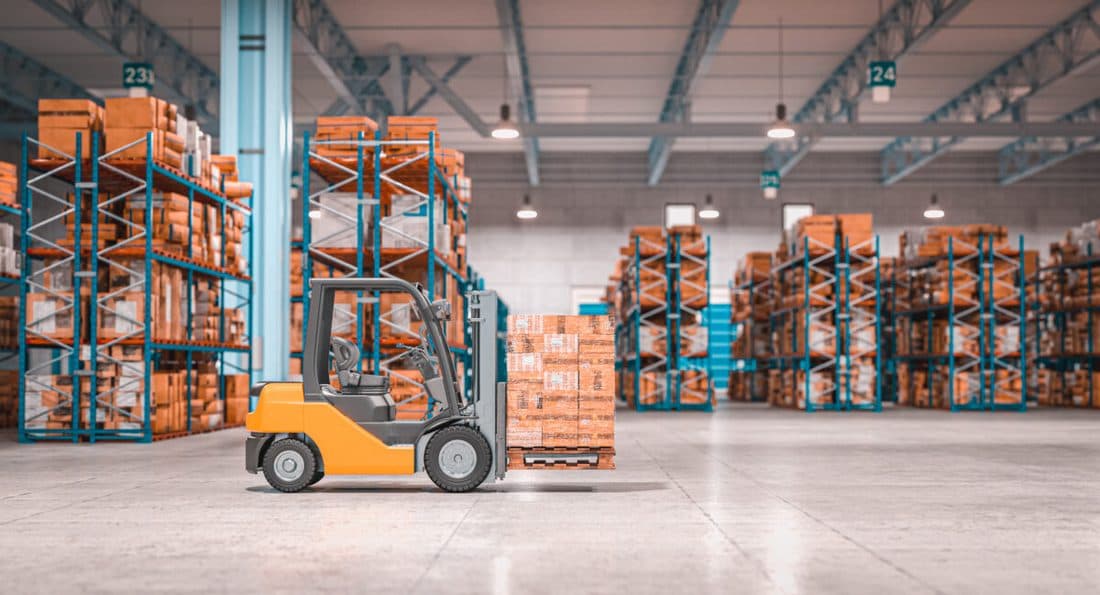
Je planning draait op Excel. Wanneer wordt dat een probleem?
Excel is niet het probleem. Excel is meestal het bewijs dat iemand het probleem heeft opgelost voordat de software dat deed. De vraag is wanneer die oplossing zelf het knelpunt wordt.

Digital twin of business processes: what it is and who builds it
A process digital twin is a digital copy of how work flows: orders, schedules, production steps. But who in the Netherlands actually builds this, and when does it make sense?

Quote software for complex custom products
Generic quoting tools fall short the moment products are configurable and pricing varies per customer. This article explains which solutions do fit, and when custom development is the only viable path.
Software operating partner vs. agency: what is the difference?
An agency delivers a report and leaves. A software operating partner builds until the software is running in production, and the code is yours afterwards. That difference changes everything.
Automating Transport Planning Software with AI
Planners lose hours every day re-entering data into the TMS. AI automation addresses that problem, but only when the right conditions are in place. Here is what you need to know.

AI platform for transport in the Netherlands: what actually works?
Transport companies are looking for an AI platform but run into a tangle of vendors and integration questions. This article explains what the term actually means and which architecture choice fits your operation.

Automating document flows as a freight forwarder: what are the options?
As a freight forwarder you deal with CMRs, customs declarations and order flows from dozens of clients and carriers. This article compares the options: which approach fits which volume and which systems.

Replacing legacy software: which Dutch parties do this?
Outdated legacy system and not sure which Dutch party can replace it? This overview compares the three types of providers, offering selection criteria and cost ranges.

Cabooter logistics software: when is custom development the smarter choice?
Freight forwarders and transport companies searching for software comparable to what Cabooter uses run into the same wall: standard packages do not align with their actual document flows. This is when custom development or an AI layer is the better choice.

Centralised customs data: one source for all declarations
Customs teams work with data scattered across ERP, TMS, WMS and emails. This leads to errors and delays in declarations. Centralised customs data solves this.

Custom business software development: what does it cost?
Custom business software in the Netherlands typically costs between €25,000 and €250,000, depending on complexity and integrations. But the price is only half the question: how do you recognise a reliable partner?

AI software for energy and grid management: who controls the code when the vendor disappears?
Critical AI software in energy and grid management increasingly runs on code that nobody internally understands. When the vendor disappears, operations grind to a halt. Here is what you need to arrange.

Software for a shipping company: which Dutch parties build this?
Which Dutch parties build software for shipping companies and maritime operators? This overview explains who builds what, when custom development is the logical choice, and how to decide.
Bonsai builds custom ERP for 12BClean, a top-50 cleaning company in the Netherlands
12BClean and Bonsai start building a digital twin in mid-August: one custom ERP for quotes, workforce planning, time tracking and invoicing, connected to Exact.

Building AI workers for business processes: who does what?
An overview of who builds AI workers and AI agents for business processes in the Netherlands, what sets them apart, and when each approach fits.

Custom ERP development: which type of company fits?
Custom ERP or configuring a standard package? The choice depends on how unique your processes are and how much control you want over your own software.

Quoting software for manufacturing: create quotes faster
Quoting software for manufacturing exists, but the right choice depends heavily on your product variants, technical complexity, and scale. Here is the overview.

Automation for an AGF trading company: where do you start?
Which software and automation solutions fit an AGF trading company, and who can help deliver them? A practical overview of the full landscape: from ERP to EDI, WMS, and order automation.

Automating packing lists in food and AGF: here is how it works
Template-based OCR has promised to solve the packing list problem in food and AGF for years. It keeps falling short. Here is why contextual document AI does work.

Building a custom WMS: what you need to know
Building a custom WMS only pays off when a standard package falls structurally short. Read when custom development makes sense, what it costs, and what to look for in a Dutch developer.

MES software in industry: why production data gets stuck
Production data almost always exists, but it is locked inside systems that do not communicate with each other. Standard MES software does not solve that on its own.

Automating order processing: how to approach it
Automating order processing starts with identifying which step in the process takes the most time. This step-by-step plan helps you choose: a standard package, custom development, or an AI layer.

Building a custom TMS: what you need to know
Building a custom TMS sounds appealing, but it is not the right decision for everyone. Here is when it pays off and when it does not.

AI email processing in transport: what works and what does not
At many transport companies, a significant share of incoming orders still arrives by email. AI email processing removes the manual retyping, but only when the mail flows and system interface are properly configured. This post explains how it works and when it is not the right fit.

Hiring your own AI staff or bringing in an external partner: what does it depend on?
Hiring your own AI engineer feels like control, an external partner feels like speed. Both feelings are poor advisors. These are the trade-offs that actually matter.

Software redevelopment: when does it make sense, and when doesn't it?
Redeveloping software sounds like a clean slate, but it is rarely the smartest starting point. Read when it is the right choice and when a different approach will serve you better.

Logistics labour market 2026: staff shortages, Wtta and the road user charge
The logistics labour market in 2026 is being hit by three developments at once: a persistent staff shortage, the Wtta overhauling how you manage agency worker administration, and a road user charge that increases the cost per trip.

Automatic order entry without EDI: how it works
Many transport companies cannot force an EDI connection on their customers. AI-driven order entry reads emails and documents without requiring any changes on the customer's side.

Customs declarations in 2026: the data problem is growing
Customs regulations are changing faster than ever, but the real bottleneck is not the rules themselves. It is the data required to declare correctly and on time.

Custom software for logistics: which partner fits?
A logistics company needs different software than a generic webshop. But which Dutch party builds it well? This article gives an honest answer.

ERP, TMS or WMS: custom build or standard package?
The choice between a standard ERP, TMS or WMS and a custom core system is too often driven by brand recognition. This is the honest comparison.

European digital legislation: half of businesses are not ready
The Barometer Digital Decade 2026 shows that half of Dutch organisations are insufficiently prepared for the growing body of European digital legislation. What does that mean in practice for operations?

Redeveloping software: when is it the right choice?
Redeveloping software is the right answer when your existing system works against operations. These are the three signals that reveal it, the pitfalls along the way, and when it is actually not the smartest move.

AI email processing in transport: what you learn when you build it
Processing emails in transport looks like an easy AI problem. Until you dig in and realise the problem is not the email itself, but what is inside it.

Pricing pressure in wholesale: a margin and data problem
Wholesalers operate on thin margins while purchase prices keep moving. The real problem is not the pressure itself, but that the data needed to act on it is fragmented across systems, emails, and spreadsheets.

SaaS package or custom AI in transport: which do you choose?
A standard SaaS package goes live quickly but rarely fits an atypical operation. Custom AI costs more upfront but delivers ownership and precision. When do you choose which?

Automating the invoicing process: what works and what does not
Automating the invoicing process sounds straightforward, but most organisations get stuck on exceptions, inconsistent formats and missing integrations. Here is what is really going on.
Suez recovery and supply chain volatility: what now?
Maersk and Hapag-Lloyd sent one joint service carefully back through the Suez Canal. What does that tell us about supply chain volatility, and what does it mean for operations in the Netherlands?

Outsourcing an AI project vs. building in-house: which delivers more?
Building in-house seems cheaper, outsourcing seems faster. Neither assumption always holds. These are the real trade-offs.

Bonsai AI Workers: what do they solve, and when do they fall short?
AI Workers take over the repetitive in-between work your team handles every day but that requires no real human judgment. People keep approving; the AI does the groundwork.

Bonsai Quote: automating quotes without the mess
Bonsai Quote helps companies in trade, logistics, and industry produce quotes faster and more consistently, without commercial staff reinventing the wheel every time.
AI with Stratech and Softpak: faster declarations in 2026
Not replacing the declaration engine, but automating the groundwork. AI around Stratech, Softpak and Stream makes declarants faster without the team having to learn a new system.

EU customs rules 2026: what the new parcel obligations mean
From July 2026, cheap imports will also fall under full customs procedures. Businesses without airtight documentation pay twice: once on import, once on return.

Automated order entry AI transport: how it works
Orders arrive as PDFs, emails, or through a portal. Staff re-key them into the TMS. That is the bottleneck. AI solves it without requiring EDI from all your customers.

Flexwet 2026: what the new rules mean for logistics
As of 1 January 2026, the rules around flexible labour in logistics have changed significantly. New collective agreement terms, tightened pension arrangements via StiPP, and stricter security obligations for flexible workers: the administrative burden is rising at a time when margins are already tight.

Construction software: why estimation and planning keep getting stuck
Estimation in Excel, planning in a whiteboard app, post-calculation never. This is a pattern we see at construction companies time and again. Here is why it is so hard to break.

Custom software vs. off-the-shelf: when do you choose which?
Custom software or an off-the-shelf package? The choice is less black-and-white than vendors would have you believe. Here is the honest story.

Driver shortage 2026: what it means for operations
The shortage of drivers and planners in the transport sector continues into 2026. Here is what that means operationally and where structured data makes the difference.

Dottle document AI: what it solves and when it does not
Dottle reads incoming documents, populates fields, and only asks for confirmation when uncertain. Useful, but not suited for every document type.

Truck Levy 2026: What It Means for Logistics
From 1 July 2026, carriers pay per kilometre, depending on vehicle type and CO2 emissions. Combined with rising labour costs and a persistent driver shortage, margins are under pressure. Those without a clear grip on their cost price will end up absorbing the difference themselves.

Construction and software: why project data gets stuck
In construction, estimating, planning, and procurement typically run in entirely separate systems. The result is manual re-entry, errors, and delays. It is a pattern we encounter time and again.

Bonsai and HDG build a new SaaS platform to succeed QC4U
HDG, the quality company, and Bonsai are building a new quality platform to replace QC4U. AI sits at the core of the system, not as a bolt-on afterwards.

Software Rotterdam: what you learn when you build it
What you learn as a Software Operating Partner in Rotterdam is that the most elegant design is worthless if it slows down operations. A defining lesson from the field.

Passing on cost price increases in manufacturing
More than half of Dutch companies are unable, or barely able, to pass on cost price increases to customers. In manufacturing, that is not a pricing problem: it is a data systems problem.

R flow en herontwikkelen: wat je leert als je het echt doet
Zodra je een systeem opnieuw bouwt, zie je pas hoe de echte werkstroom loopt. Niet de beschreven variant, maar de echte. Dat is het moment waarop herontwikkelen zijn waarde bewijst.

Building AI automations: what you get out of it, and when you don't
AI automations sound simple, but the trap is in how they fit your existing systems and processes. Here is what you get out of them, and when it's wiser not to start.

Build an AI layer or replace the lot: when do you choose which?
Plenty of companies face the same choice: invest in a new core system, or build an AI layer on top of what already works? The answer depends on where the real problem sits.
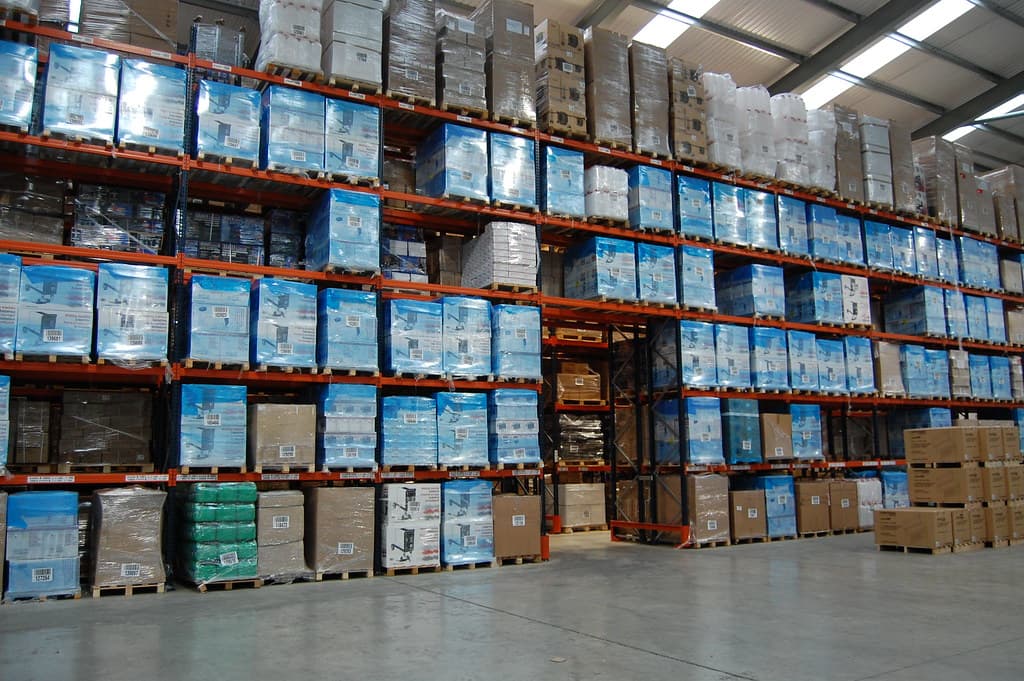
Automating quotes in wholesale: from days to minutes
A slow quote is a lost order. How AI that knows your catalogue, price tiers and terms speeds up the commercial process, and why master data is the first hurdle.
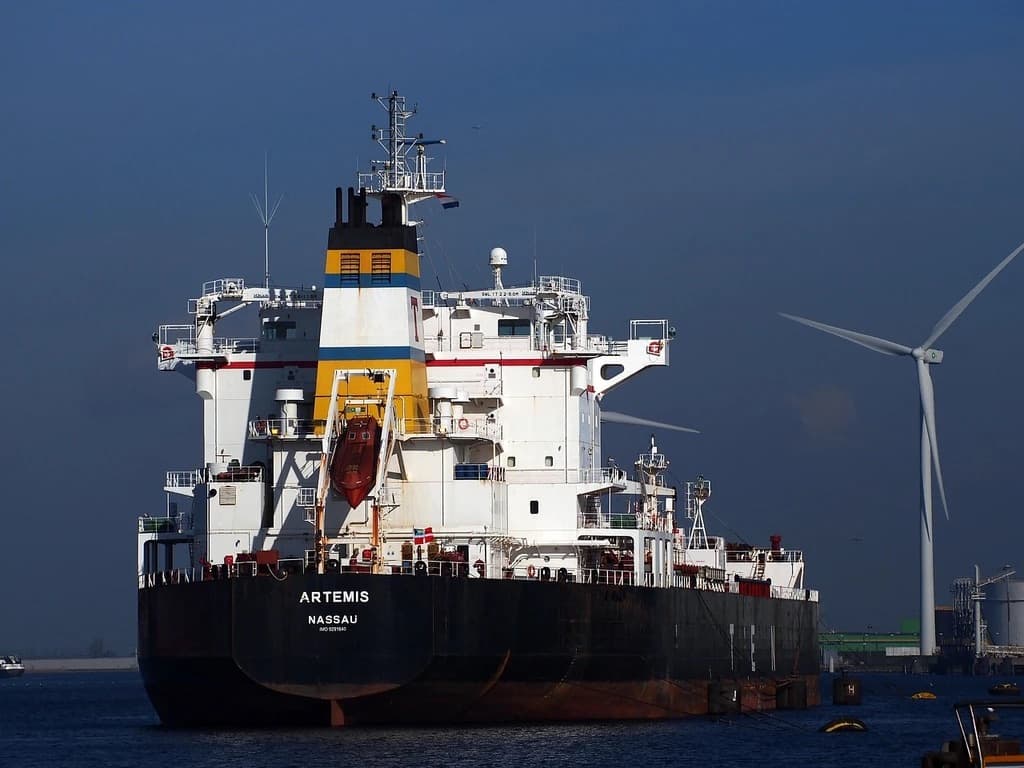
Predictive maintenance starts at your historian, not at a data platform
The data for smarter maintenance has been sitting there for years. Why you do not need a data-platform project to begin, and where the first returns come from.
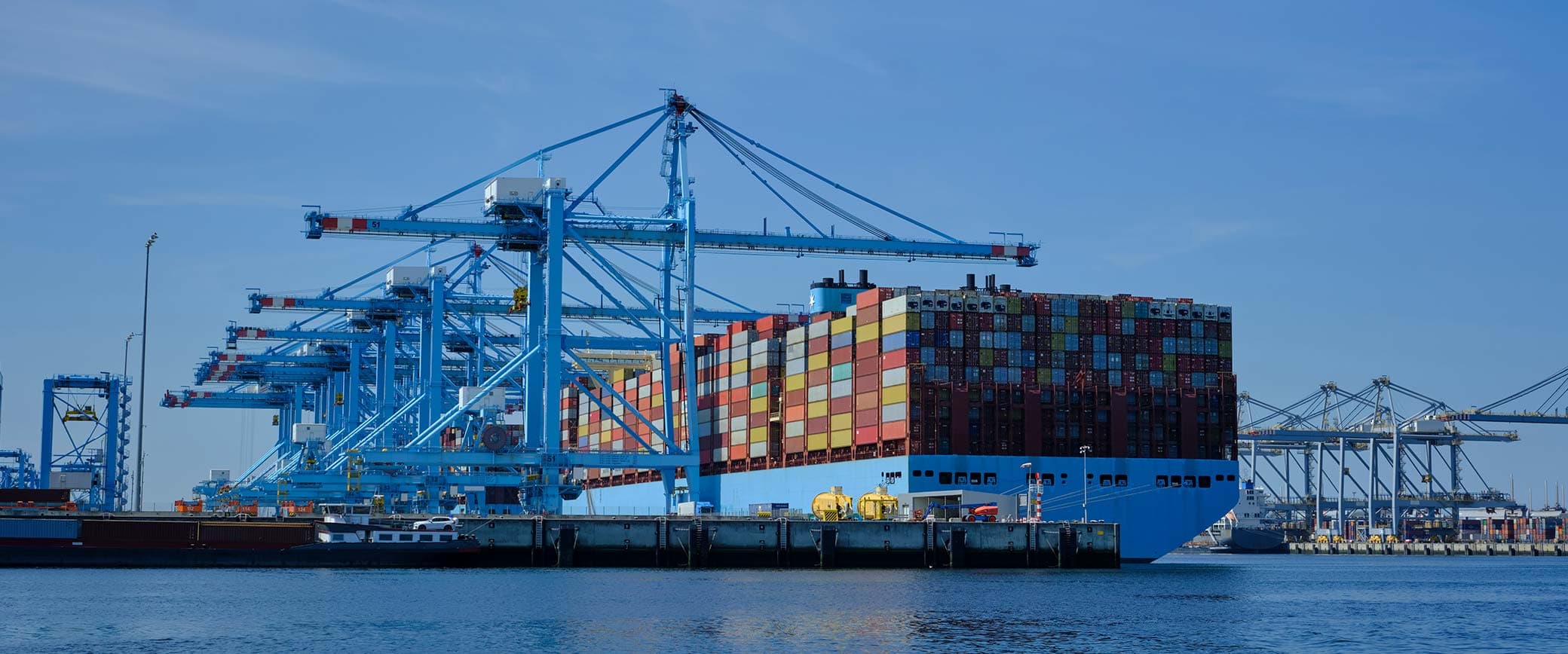
Why AI in the Port of Rotterdam is different from anywhere else
The port is no greenfield. Three lessons we've learned about AI between the quays, cranes and customs.