
Sector · Ports & Maritime
AI software for the ports & maritime sector
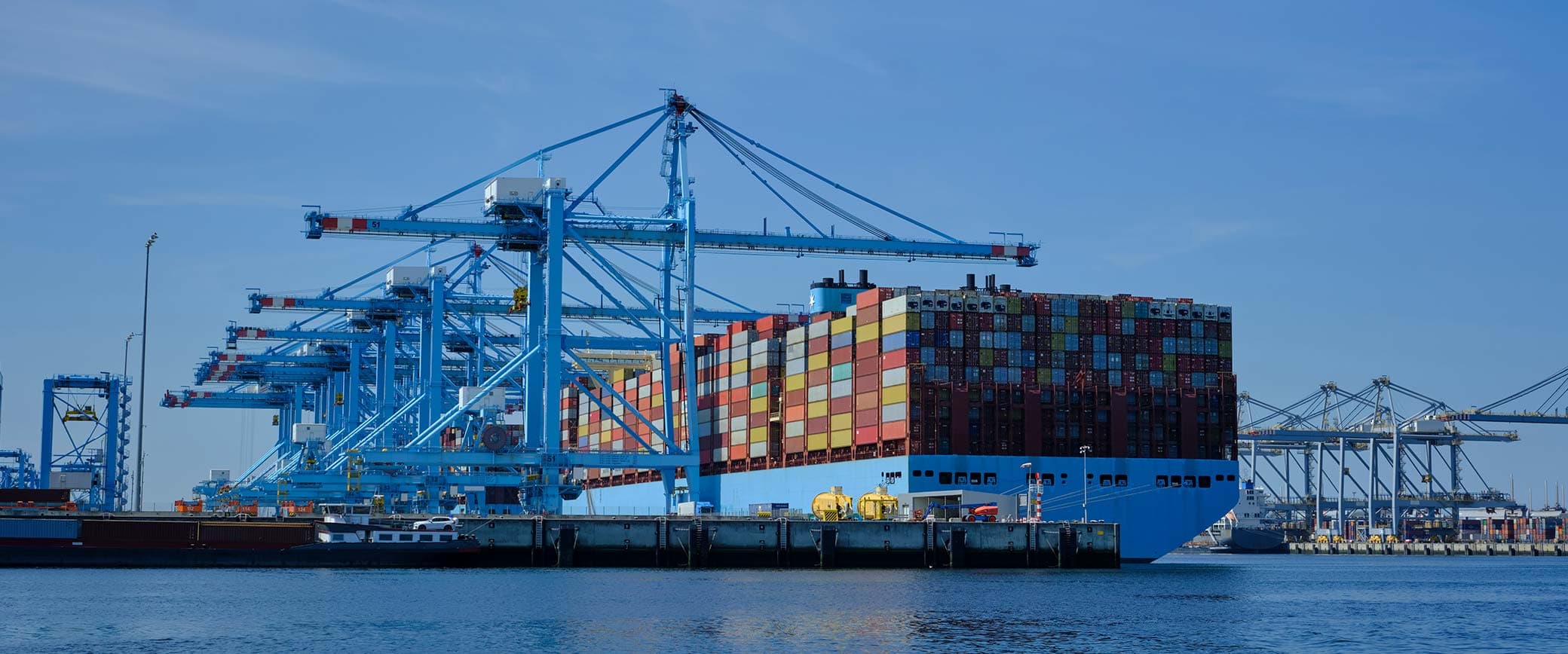
Bonsai builds AI software for ports, terminals and inland and sea shipping. We know the work on the quay, the systems behind it, from Portbase through to the terminal system, and the tasks that planners, brokers and customs agents still do by hand every day.
What's at play in ports & maritime
In the port, everything turns on timing and reliable information. The sea side is largely automated, but the bottleneck has moved to the land side: the big container ships create the peaks, and meanwhile inland barges sit waiting while the handling windows fill up. The information you need (ETAs, release codes, stowage data) is scattered across Portbase, email, Bargelink and the phone.
At the same time the sector is ageing. Experienced brokers, planners and customs agents are scarce, and their knowledge sits in their heads rather than in any system. Another dashboard or a fresh platform won't help here; Portbase, Nextlogic and the terminal system already exist. The real gain comes from taking out the re-keying between the systems you already run.
And expectations keep rising. Shippers and carriers want real-time status, emissions insight per call and shorter lead times. A single port call pulls in dozens of parties, each waiting on the next one's information. Handle messages, documents and deadlines faster and more reliably than the market, and you win margin that can no longer be found on the quay itself.
Systems we know and connect to
Where it pinches
Information is fragmented
ETAs, release codes and stowage data come in across Portbase, email, Bargelink and the phone, all at the same time. The same figures are typed again and again between the terminal system, the TMS and the customs system.
Demurrage and detention leak away
Free-time windows and return deadlines are kept by hand in spreadsheets. Miss one and you pay demurrage or detention: costs that only land because no one is watching the clock in real time.
Matching runs on experience and email
Brokers and charterers match cargo to vessel space from scattered messages and experience, and recaps and confirmations are worked through by hand.
Clearance under time pressure
Documents for the declaration arrive unstructured. Paperwork that is incomplete or handled too late is the single biggest cause of clearance delays.
Where AI does help, and where it doesn't
What we build for this
Read documents automatically
B/Ls, packing lists, certificates and invoices are pulled out of PDFs and email and laid out cleanly for your TMS or declaration, so there is nothing left to type over.
Demurrage & detention monitoring
Deadlines and release status are followed automatically, and you get an alert before any cost is triggered. Carrier invoices are checked against your contract terms.
AI brokering & matchmaking
Incoming messages are read and cargo is matched to vessel capacity in seconds rather than hours, with the broker still making the call.
ETA and handling forecasting
Using AIS and historical port-call data, we forecast arrival and handling more reliably, so you can plan quays, trucks and crews with more confidence.
Where AI is not the answer
- Safety-critical control (crane control, AGVs, autonomous mooring) is control engineering and already lives in the terminal and PLC layer. That is a separate discipline from generative AI.
- Portbase, the terminal system and the customs system stay as your system of record. We build the layer around them rather than replacing them.
- A model is worthless without connected data. Get the data flowing first, then bring in AI.
- Customs and charter decisions stay with people; AI does the prep and the flagging.
What we deploy for this
Bonsai AI Workers
Digital colleagues that read B/Ls, releases and recaps, keep watch on deadlines and pass the data through to your TMS or customs software.
View Bonsai AI WorkersDottle
Document AI that reads and processes cargo documents whatever their format or sender. Priced per document.
View DottleBonsai AI Digital Twin
A single operational platform for chartering, planning and administration, like the one we built for inland shipping.
View Bonsai AI Digital TwinYou can read how we approach it, from discovery through to an SLA, in how we work.
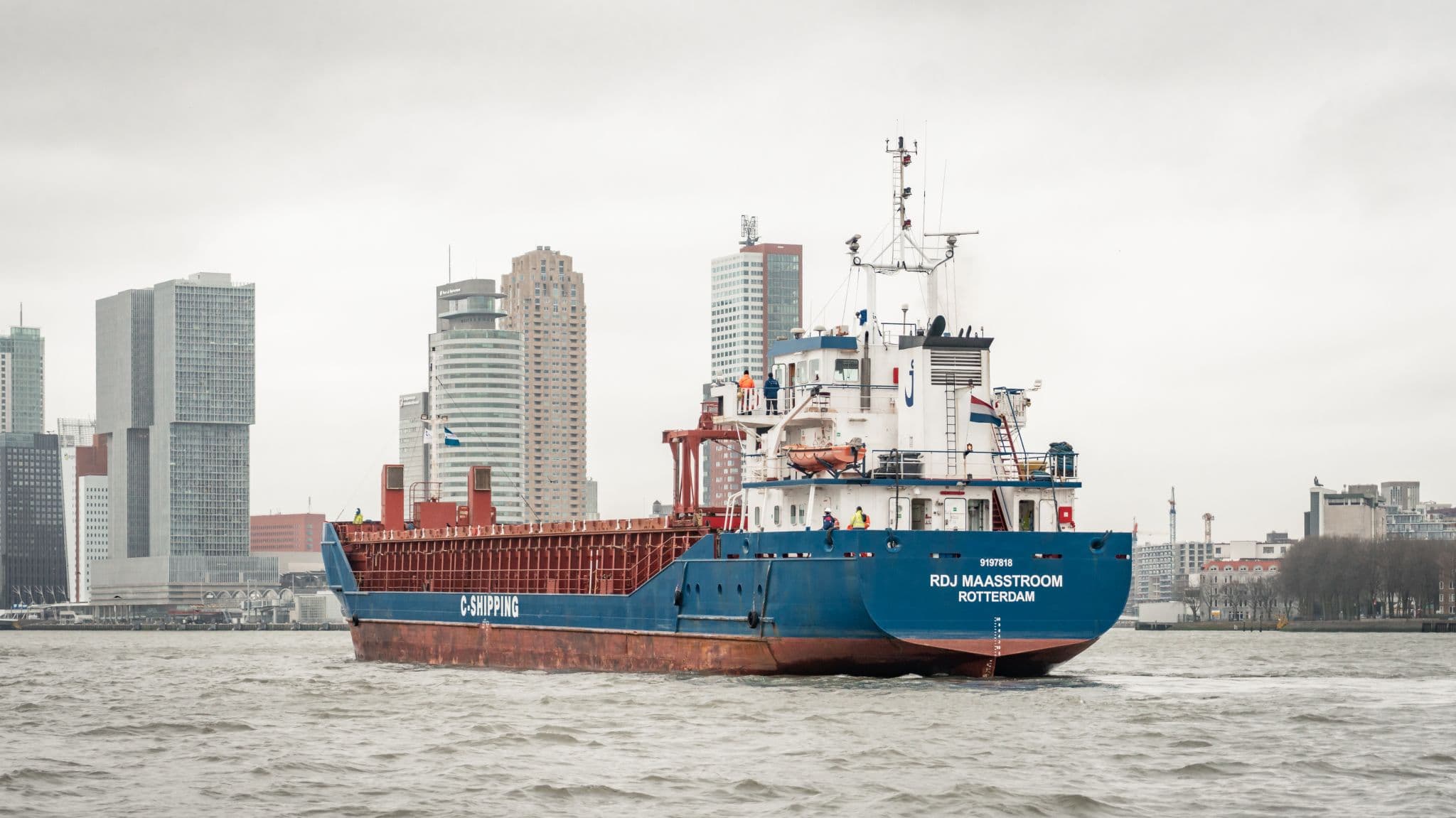
From practice · Rederij de Jong
AI brokering: matching cargo and vessel capacity automatically
Read the caseQuestions about AI in ports & maritime
Do you connect to Portbase and our terminal system?+
Yes. We connect to Portbase (PCS), your TOS, TMS and customs software. Those systems stay as your system of record, and our AI layer takes out the re-keying between them.
Does this also work for inland shipping and barge operators?+
Yes. We have built an operational platform for an inland shipping company, covering everything from chartering to invoicing. Inland shipping is precisely where the gain is biggest, because so much of the information still moves by email and phone.
Does Bonsai build its own TMS or work around my existing systems?+
Usually the latter. We lay an AI layer around your existing systems (terminal, TMS and customs software) and rebuild only where it genuinely adds value. Rebuilding is never our starting point.
Do you work in the Port of Rotterdam?+
Yes. Rotterdam is our home base, and we work for clients across ports, inland shipping and logistics.
What changes for us with ICS2 and DMS?+
Since 1 December 2025 ENS declarations can only be filed via ICS2, and Customs is moving from AGS to DMS, where the data has to be right up front. We don't build a declaration engine; what we automate is the feed of documents and the checks around it.
How soon will I see results?+
We start with a short analysis that produces a business case and a working first result. From there we keep building and running in short cycles.
Get started