
1. The systems already exist, so build around them
Walk into the port with a plan to replace everything and you'll be back outside within a week. Portbase, the Terminal Operating System and Nextlogic are firmly established and they do their job. The pain isn't in those systems. It's in the space between them: ETAs, release codes and stowage data bouncing back and forth across mail, phone calls and four screens. We build an AI layer that takes out that retyping, without replacing anything that already works.
2. The bottleneck has shifted to the land side
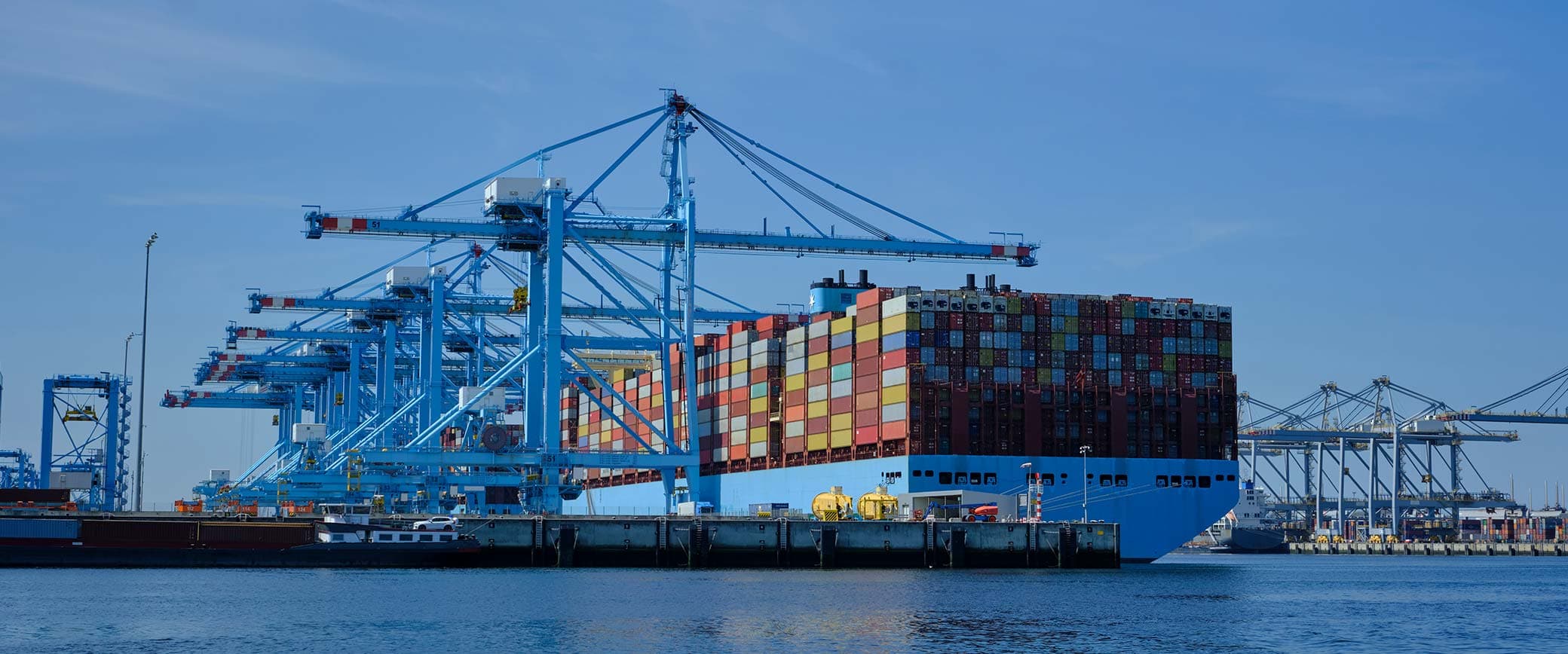
The sea side is largely automated. The big container ship causes the peaks, but inland barges sit waiting and the handling windows fill up. The information you need to plan that is scattered. An AI that reads documents and watches deadlines brings calm there straight away: demurrage and detention are tracked before any costs arise, rather than after the fact in a spreadsheet.
3. The knowledge lives in people, not in a system
The experienced broker, planner and declarant are scarce, and the sector is ageing. What they know lives in their heads. AI doesn't replace those people, it opens up what they know: it reads the incoming messages, does the groundwork and leaves the decision with the person who should be making it. That way control stays on the shop floor, and the knowledge doesn't walk out the door when someone retires.
None of these three is spectacular. Together they decide the difference between an AI project that stalls in the port and one that's up and running within a month.